Board Oversight Responsibilities Under ESG Governance Frameworks
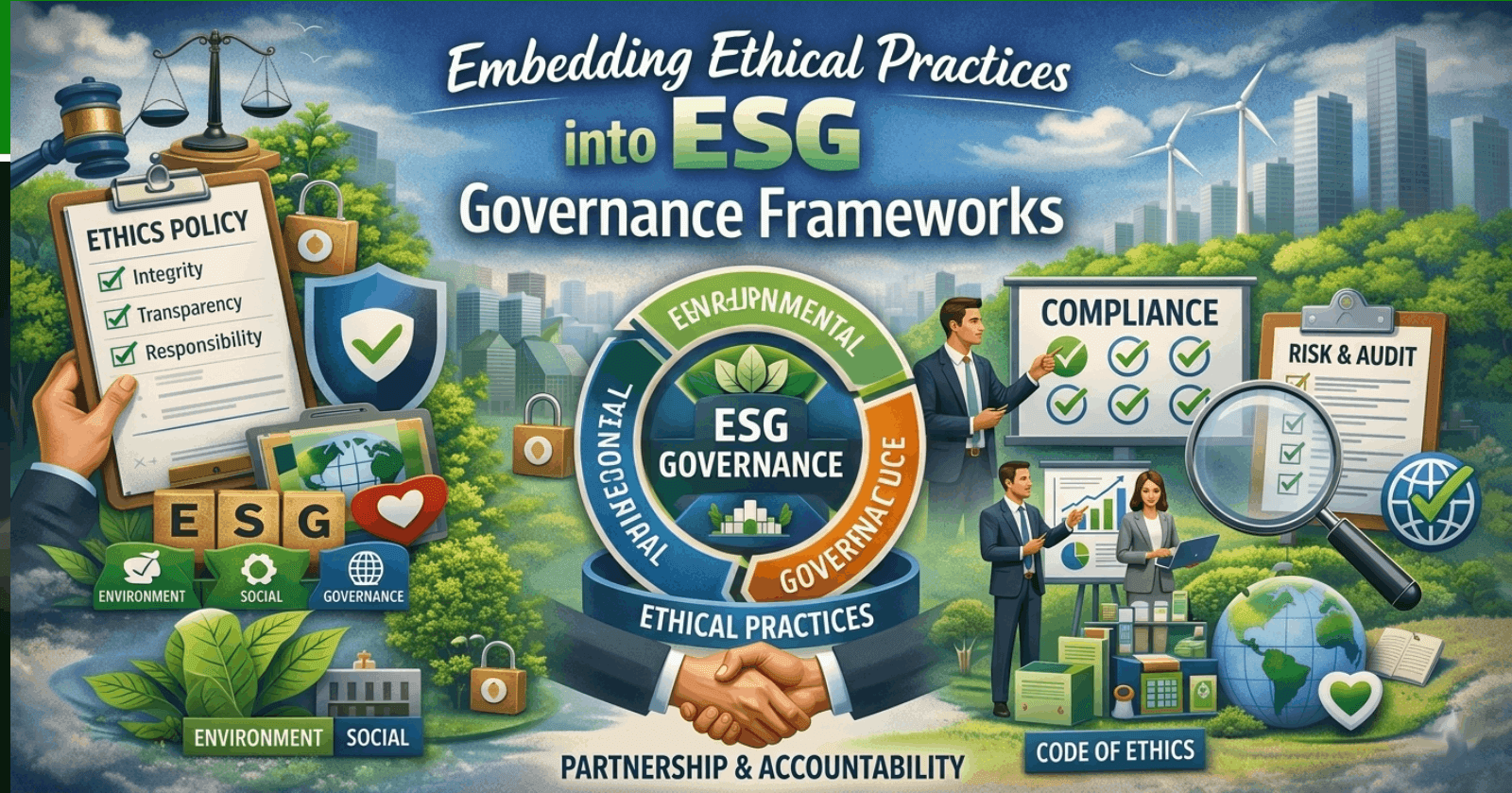
At Sustrack, we see board oversight under ESG governance frameworks extending far beyond financial performance. It includes environmental, social, and governance risks that can significantly impact long-term value creation.
Regulators, investors, and stakeholders now expect boards to take clear responsibility for ESG governance and risk oversight. It means ESG factors must be inbuilt into governance structures, decision-making, and risk management processes.
Boards that actively oversee ESG risks are better prepared to meet compliance requirements, manage future challenges, and build long-term trust.
Understanding ESG Governance and Board Responsibility
ESG governance refers to the systems, policies, and decision-making processes that ensure environmental, social, and governance factors are managed at the highest level of leadership. Boards play an important role in setting the tone, defining accountability, and aligning ESG priorities with business strategy.
Governance Expectations from Regulators and Investors
Regulators and investors expect companies to follow strong governance principles like transparency, accountability, fairness, and responsibility.
Regulators focus on compliance and market stability, while investors look for long-term value and performance.
Regulator Expectations: Regulators, like the SEC in the U.S. or the FCA in the UK, focus on keeping markets fair, ethical, and stable, while ensuring companies follow the law.
Clarity and Transparency: Regulators expect clear governance, with well-defined boards, committees, roles, and responsibilities. Companies must provide timely and accurate information about financial and non-financial matters.
Accountability and Responsibility: Boards and senior managers must have clear responsibilities and make informed decisions, understanding how the business operates.
Risk Management: Companies should identify, manage, and report risks they face, including financial, operational, and climate-related risks.
Ethical Culture: Regulators look for a strong tone from the top, promoting integrity and compliance throughout the organization.
Protection of Stakeholders: Regulators aim to protect employees, creditors, and the public, often through measures like whistleblower programs and data protection rules such as GDPR.
Why is Board Oversight Important?
Today, Environmental, Social, and Governance (ESG) issues are essential for long-term success. A Good board governance makes sure ESG is part of every decision, while strong risk oversight helps to find and manage major challenges.
Companies that manage ESG risks and opportunities well can improve their operations and create more value.
Stronger Financial Performance : Companies that focus on ESG often attract more potential investors and perform better than their competitors.
Regulatory Compliance : ESG rules are changing globally. Proactive governance helps your company follow the rules, avoid fines, and show transparency.
Risk Mitigation: Managing environmental and social risks, like climate change or limited resources, makes your business stronger. Good ESG governance helps to find and reduce these risks.
Investor Confidence: Clear ESG reporting builds investor trust and makes it easier to get funding, especially from ESG-focused investors.
Competitive Advantage: Sustainable practices are important today. Companies that focus on ESG have a stronger brand, loyal customers, and a better market position.
Talent Attraction & Retention: Employees prefer companies with a clear purpose. A strong ESG strategy helps attract and retain talented people who share your values.
Innovation & Efficiency: Using ESG practices helps companies use resources wisely, improve operations, save costs, and find new opportunities.
Why Choose Sustrack for ESG Governance and Board Oversight?
Sustrack helps boards enhance ESG governance, ensure ESG compliance, and implement effective risk oversight. We support companies in meeting regulator and investor expectations, building trust, and embedding ESG into decision-making, governance structures, and ethical practices.
We provide a wide range of services, including ESG Consultancy, Reporting Frameworks, ESG Assurance & Ratings, Carbon Accounting Services, and more, helping your organization stay ahead in sustainable and responsible business practices.
Wrapping Up
Strong ESG governance is essential for long-term success. Good board governance makes sure ESG factors are part of every decision, with proper risk oversight and ESG compliance.
Boards that actively manage ESG responsibilities, follow ethics policies, and use independent advisory support can meet regulatory expectations, build investor trust, and create lasting value for the company and its stakeholders.
Frequently Asked Questions
Why is ESG governance important?
ESG governance helps companies to manage risks, meet regulatory expectations, and create long-term value while building trust with investors and stakeholders.
How does board governance support ESG?
Strong board governance ensures ESG issues are included in strategy, oversight, and risk management decisions.
Why is ESG compliance important for businesses?
It helps avoid penalties, improves transparency, and builds confidence with regulators and investors.
How can boards strengthen ESG risk oversight?
By integrating ESG into enterprise risk management, setting clear responsibilities, and regularly reviewing ESG risk data.