Anti-Corruption Policies as a Core Element of ESG Governance
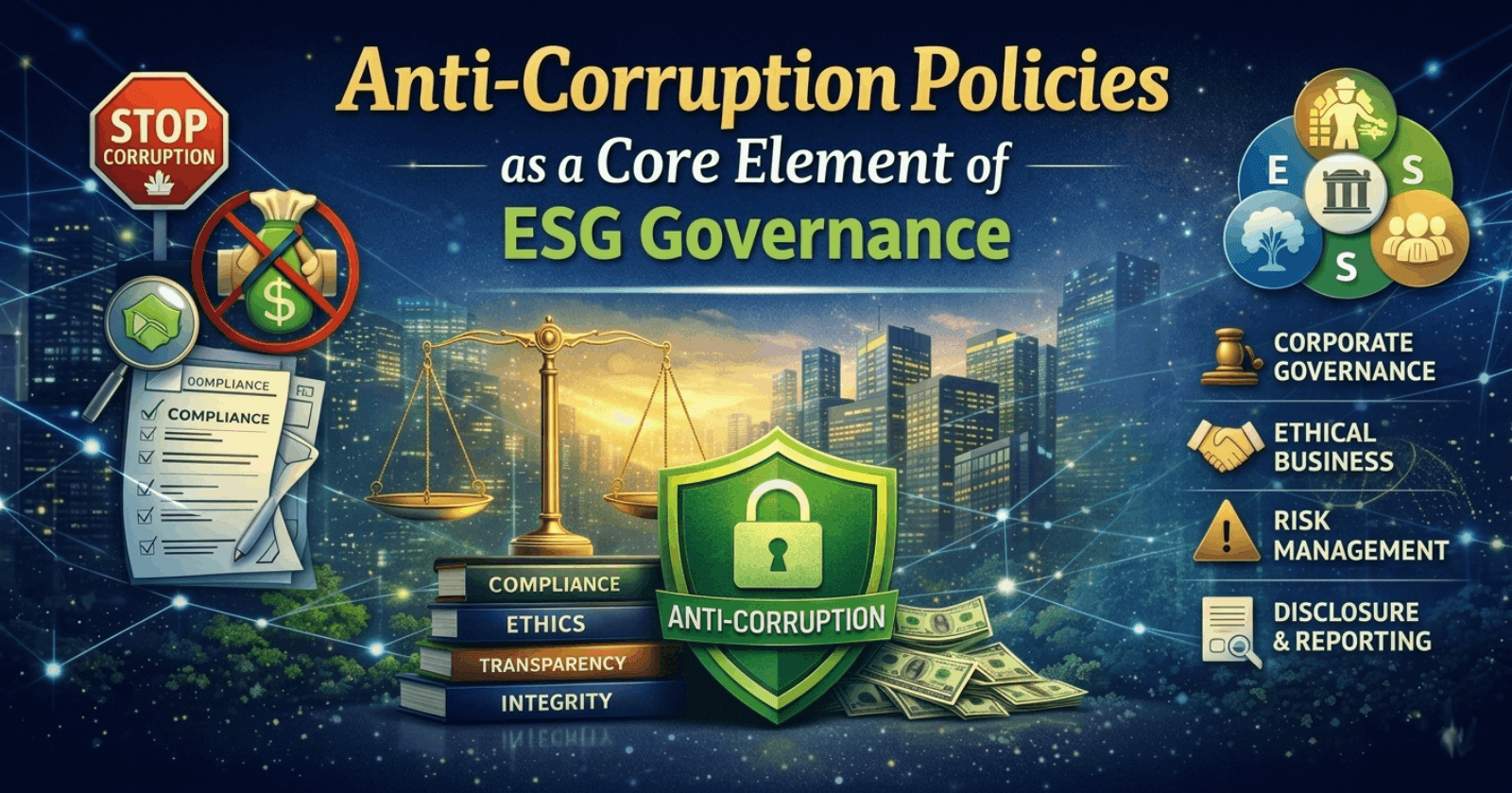
Today, ESG (Environmental, Social, and Governance) performance is very important for investors, regulators, and stakeholders. Among these, Governance is key to building trust and ensuring long-term success.
A strong governance system includes a clear anti-corruption policy, which helps organizations stay transparent, accountable, and ethical.
This blog explains what an anti-corruption policy is, how corruption can affect ESG ratings, what regulations expect, and why board oversight and monitoring are important. At Sustrack, we provide ESG Consultancy Services, Reporting Frameworks, Carbon Accounting Services, and more, which help to make your business sustainable.
What Is an Anti-Corruption Policy?
An anti-corruption policy is a set of clear rules that help an organization prevent bribery, fraud, misuse of power, and other unethical practices. It defines what behavior is unacceptable and guides employees, management, suppliers, and partners on how to act ethically.
A strong policy promotes zero tolerance toward corruption, sets clear rules for gifts and conflicts of interest, protects whistleblowers, and includes proper reporting, investigation, and regular training. By following an effective anti-corruption policy, organizations strengthen corporate ethics and stay aligned with global ESG standards.
Impact of Corruption on ESG Ratings
Corruption has a direct and negative impact on a company’s ESG performance, especially under the Governance pillar. ESG rating agencies closely evaluate governance risks, and any involvement in unethical or corrupt practices can significantly lower a company’s ESG score.
The impact of corruption on ESG ratings includes:
- Loss of investor confidence, as investors prefer companies with transparent operations and strong ethical governance.
- Reduced access to sustainable finance and ESG-linked funding, including green bonds and impact investments.
- Reputational damage and brand erosion, which can affect customer trust and long-term market position.
- Legal penalties, fines, and regulatory scrutiny, leading to increased compliance costs and operational disruptions.
- Higher risk perception among stakeholders, including lenders, partners, and suppliers
- Lower long-term business valuation, as weak governance raises concerns about sustainability and risk management.
What are governments and regulators doing to promote transparency and accountability in businesses?
Governments and regulators around the world are strengthening rules to ensure transparency and accountability in businesses. Companies are expected to include anti-corruption measures as part of their ESG framework.
Best practices include following anti-bribery and anti-money laundering laws, aligning with international standards like OECD guidelines and ISO 37001, sharing clear and honest information in ESG reports, and conducting regular risk assessments and internal audits. Following these practices helps companies stay ESG compliant and shows a strong commitment to ethical governance.
Board Oversight and Monitoring Mechanisms
Strong board oversight is key to making anti-corruption policies work effectively. The board of directors sets the ethical tone for the company and ensures everyone is accountable.
This includes approving and regularly reviewing anti-corruption policies, creating ethics or audit committees, monitoring whistleblower complaints and investigations, and linking executive performance to ethical behavior and ESG goals.
Effective monitoring helps identify risks early and strengthens corporate ethics, making anti-corruption a core part of ESG governance.
Why Choose Sustrack for Anti-Corruption and ESG Governance?
Sustrack helps organizations create strong anti-corruption policies that support ESG compliance and ethical business practices. We focus on improving transparency, strengthening ethical governance, and promoting corporate ethics across the organization.
With Sustrack, businesses can reduce governance risks, meet regulatory requirements, and build long-term trust with investors and stakeholders.
Final thought
Anti-corruption policies play a vital role in strengthening ESG compliance and ethical governance. They help organizations reduce governance risks, protect ESG ratings, and maintain transparency across operations. With rising regulatory scrutiny, businesses must align their practices with global standards and clear accountability frameworks.
Active board oversight and effective monitoring ensure these policies are implemented in practice, not just on paper. Ultimately, strong corporate ethics and a zero-tolerance approach to corruption support long-term sustainability, investor confidence, and responsible business growth.
Frequently Asked Questions
What is an anti-corruption policy?
An anti-corruption policy is a clear set of rules that helps a company prevent bribery, fraud, misuse of power, and other unethical practices.
It guides employees and management on what is right and wrong, encourages honest behavior, and promotes transparency and accountability within the organization.
How does anti-corruption support ESG compliance?
Anti-corruption policies support ESG compliance by enhancing the governance pillar. They reduce business risks, improve transparency, and ensure decisions are made ethically and responsibly.
Why are corporate ethics important in ESG?
Corporate ethics are important in ESG because they build trust, protect a company’s reputation, and help businesses meet ESG expectations and regulatory requirements.