How Small and Medium Enterprises (SMEs) Can Benefit from ESG Consultancy
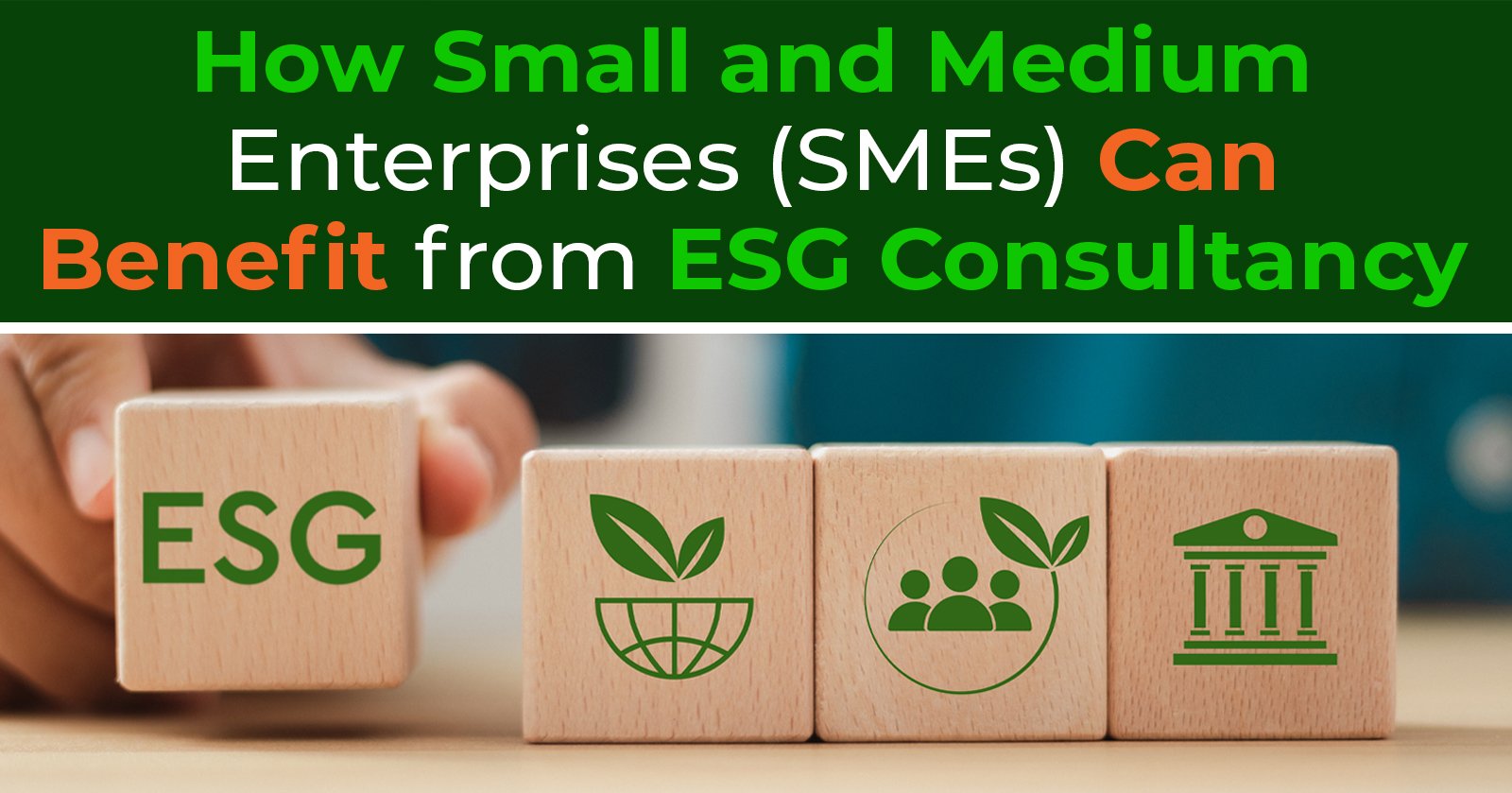
We live in a generation where sustainability is no longer optional. Small and medium enterprises (SMEs) are discovering ESG for SMEs and adopting its practices. It is a core activity and growth driver for SMEs. Currently, we are witnessing a rapid adoption of ESG practices for small business sustainability, as it is no longer optional for companies. The government has made it mandatory for well-established companies to present their ESG reports and disclose their carbon emission rates to stakeholders and investors. It has created an underlying assurance for enterprises to demonstrate their sustainable activities. This is where ESG for SMEs becomes crucial.
A consultancy for startups is crucial because integrating ESG principles can sometimes make you feel too much, especially when you have limited resources. Managing at that point becomes hectic; however, ESG consultancy for enterprises plays a vital role in these scenarios. They guide the enterprise in aligning sustainability with business goals, helping to manage the essential operations and unlock long-term growth opportunities. Whether to reduce the carbon footprint, improve employees’ welfare, or ensure ethical governance, ESG adoption offers multiple benefits for smaller businesses.
ESG for SMEs is not always straightforward. Since small businesses have limited resources, such as budget, a lack of expertise, and the complexity of reporting requirements, they often face hurdles. That is why reaching out to an ESG consultancy becomes difficult. However, with guidance, small businesses can achieve sustainability through customised strategies that align with their specific goals and objectives.
The blog is all about how small and medium enterprises can benefit from SMEs and startups in building sustainable foundations. It doesn’t matter whether you’re a budding startup or some well-established SME; adopting ESG practices is the way to a resilient, future-ready enterprise.
Is ESG not just for Big Corporations in India?
For a long time, the Environment, Social, and Governance (ESG) sector in India was considered primarily for large corporations with ample resources and global visibility. However, the way organisations think is changing rapidly. Now, ESG is being used to the benefit of SMEs as they realise its importance and cruciality. Whether the enterprise is small or medium, it knows the value of responsible business practices.
Reasons why investors would be interested in investing in small business sustainability firms:
- ESG for SMEs is a mature approach for small organisations with limited resources and high risk management.
- Any size firm can adopt ESG practices to enhance its reputation and reduce its carbon footprint.
- Through ESG adoption, the firm’s activities become more cost-effective and productive.
- The youth takes up any job by scrutinising the mission and vision of the company. ESG for SMEs opens up opportunities for company growth.
The rising pressure for transparency, accountability and sustainability is not limited only to the top thousand companies. Now, even small businesses are under pressure to prioritise environmental responsibility. They are supposed to prioritise environmental responsibilities, fair labour practices, and ethical governance. For SMEs, this means that ESG adoption has taken a competitive turn, differentiating them from large enterprises. SMEs that adopt ESG principles early are considered more trustworthy and future-ready, as they align with global sustainability goals.
Small business sustainability is not just about going green; it’s about building a business that can weather regulatory changes, attract impact-conscious investors, and align with the expectations of modern consumers. Whether it’s reducing energy use, eliminating waste, or ensuring employee well-being, ESG adoption enables SMEs to establish strong reputations and cultivate customer loyalty.
That said, many small enterprises may struggle to implement ESG principles due to limited resources or a lack of internal expertise. This is precisely where consultancy for startups plays a vital role. Expert ESG consultants help SMEs assess their risks, set realistic sustainability goals, and establish systems for ESG reporting and compliance. These consultancies provide customised roadmaps that match each business’s size, industry, and capacity, making ESG for SMEs both achievable and measurable.
In conclusion, ESG is no longer a luxury for big corporations; it’s a practical necessity for smaller businesses aiming to stay competitive and responsible in today’s market. With the proper guidance and commitment, small business sustainability becomes more than a goal; it becomes a business advantage. Embracing ESG for SMEs today means securing a better, stronger tomorrow.
What are the Common Misconceptions about ESG in SMEs?
It is a widespread scenario that whenever a new service or product is launched, some misconceptions and rumours spread among the users digitally. The same is true for Environmental, Social, and Governance (ESG). There are many misconceptions regarding this that organisations hesitate to adopt its practices, especially in SMEs. The following are a few misconceptions that firms & enterprises think are true:
- There is a common misconception in the corporate sector that ESG focuses solely on environmental-related issues, which is not entirely accurate. The abbreviated form of ESG is Environmental, Social, and Governance, which focuses on the benefits of these three sectors. By creating a healing environment, an organisation benefits society and abides by government law, working accordingly.
- SMEs often have the misconception that consultancy for startups is expensive, which is why most small businesses avoid adopting ESG.
- ESG for SMEs is a vast and new concept. Adopting this new concept is challenging since it involves a significant amount for an organisation to comprehend, which increases the complexity and makes it impractical.
- Since it is relatively new to the market, understanding it becomes challenging, and Companies often misunderstand the concept of ESG.
Tailored ESG Strategies for Small Businesses?
Now, the word sustainability is not a ‘buzzword’ with the rapid awareness of the ESG for SMEs; it has now become a business imperative. ESG (Environmental, Social, and Governance) practices are not merely about compliance; SMEs adopt them for an extended period. Yet, many startups and small businesses struggle to get ESG frameworks that are much more relevant to their resources and the company’s size. Here, ESG strategies prove particularly beneficial for all types of corporate businesses, especially small businesses with limited resources.
Why ESG for SMEs Matters?
ESG for SMEs has become crucial. Investors, regulators, and consumers in small businesses are now held accountable for their environmental and social impact. ESG for SMEs is now a strategic necessity, enabling small businesses to align their sustainability with that of their larger counterparts, build credibility, access new markets, manage business risks, and attract funding from investors more effectively.
The benefit of ESG adoption for small businesses in Corporate:
- Brand Trust and Customer Loyalty: Through ESG adoption in companies, trust is built when ESG reports are made transparent.
- Investor Appeal: Investors, regulators, and consumers involved in SMEs or larger corporate offices prefer to invest in companies that have their ESG reports readily available.
- Operational Efficiency: The company’s ESG practices align with operational strategies, enabling efficient and smooth functioning.
- Regulatory Readiness: Companies adopt a new strategy to comply with regulations for improved results.
Customising ESG for SMEs
The SMEs often have limited resources and manpower. So, the ESG strategies need to be customised occasionally to fit the scale and sector of the businesses. A traditional approach won’t work. A consultancy for startups becomes crucial in this context. The ESG consultants recognise that flexible designs are necessary, along with phased strategies that enable companies to integrate ESG practices incrementally without overwhelming their operations.
The Key point areas for SMEs:
Environmental initiatives:
Conservation Of Water
Measures taken for Energy Efficiency
Reduction in waste and recycling
Social Impact
- Employee well-being and diversity
- Community engagement
- Data Privacy of Customer
Governance Practices:
- Ethical leadership
- Transparent reporting
- Risk management frameworks
By focusing on these pillars, even microenterprises can begin their journey toward small business sustainability without incurring significant upfront investments.
Role of ESG Consultancy for Startups
Companies that have recently established their businesses often need to explore ESG, which can be an overwhelming task. Hiring a consultancy for startups helps decode the complex ESG criteria and translate them into actionable steps. Whether creating an ESG roadmap, training the teams, or building ESG reports for the investors, consultants play an essential role in simplifying the process.
Here are the three simple steps to start with ESG adoption for small businesses:
Assess Material Issues: Identify ESG areas most relevant to your business.
Set Realistic Goals: Define measurable and attainable sustainability targets.
Engage Stakeholders: Build awareness among employees, suppliers, and customers.
As previously discussed, sustainability is no longer optional. Adopting ESG provides a future-based business roadmap that simultaneously positions you as a responsible and forward-thinking brand. An enterprise with the right strategy in place can have a significant impact, even in small businesses. ESG for SMEs is impactful when an expert in that field provides guidance, as it can set you on a path that leads to both meaningful and measurable success.
Suppose you have just started your business and are settled to the point where you can embark on your sustainability journey. Choose your ESG partner with a dedicated consultancy for startups specialising in small business sustainability. The future belongs to businesses that grow responsibly.
Low-Cost ESG Implementation Steps
The ESG practices have now become essential for businesses of all sizes. However, for SMEs, the biggest challenge isn’t recognising the cruciality of ESG; it is figuring out how to implement it within the decided budget. Implementing low-cost ESG practices can yield several long-term benefits, including enhanced brand value and increased investor interest.
How can ESG for SMEs make a Difference?
Since they are rapidly gaining customer traction, investors and regulators primarily want proof of transparency from the companies they want to invest in, particularly those focused on ESG for SMEs. Even if the size of the companies may differ, the impact and the value of the ESG adoption are significant for small businesses.
The traction of ethical investors to improve operational efficiency by embracing small business sustainability makes good business sense. ESG is all about the strategic approach; it doesn’t have to be expensive.
Step-by-Step Guide to Low-Cost ESG Adoption
- Start with a Basic ESG Assessment
- Set Small, Measurable Goals
- Engage Employees and Build a Sustainability Culture
- Leverage Digital Tools
- Partner with Local Sustainable Suppliers
- Report Progress Transparently
Takeaway
ESG has never been as costly as firms usually think it is. It needs intent and consistency. With low-cost steps, ESG for SMEs has become achievable and impactful. To begin your journey towards ESG adoption is one of the smartest moves you can make for the future of your business.
Start small, stay committed, and build a more sustainable future, one step at a time.