Whistleblower Policy as a Pillar of ESG Compliance
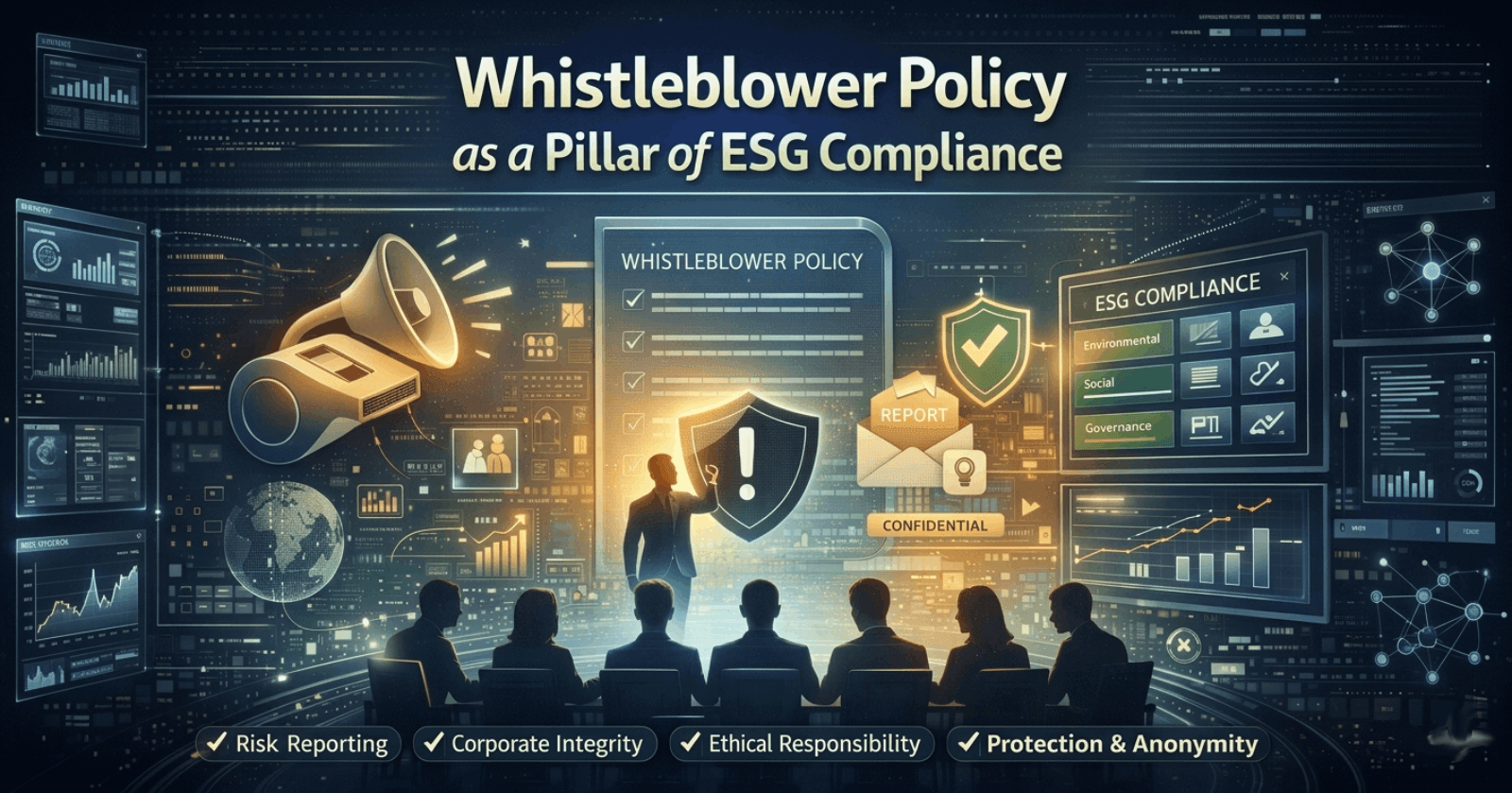
A whistleblower policy is an important part of ESG compliance. It helps employees and stakeholders safely report unethical practices, legal violations, or environmental and social risks without fear. This promotes transparency, accountability, and strong governance within an organization.
In this blog, Sustrack will help you understand why a whistleblower policy matters for ESG, how it supports compliance, and how businesses can build a strong, trusted reporting system to meet today’s ESG expectations.
What Is Whistleblower Policy?
In 2019, the EU introduced the Whistleblower Protection Directive to improve how organizations report and handle wrongdoing. This law applies to many public and private organizations and sets clear rules, like creating safe reporting channels, assigning responsible staff, and protecting confidentiality.
EU countries had to adopt this law by December 2021, but many are still behind. In Poland, the law is still being finalized, but setting up a whistleblowing system is unavoidable.
Whistleblowing is important for ESG because it helps organizations follow laws and maintain strong corporate governance. It also supports environmental and social responsibility by encouraging people to report harmful or unethical actions.
In simple terms, whistleblowing makes companies more transparent, responsible, and trustworthy.
Benefits of Whistleblower Policy
Every business can face environmental, employee, or ethical risks. A whistleblowing system with strong whistleblower protection helps spot these problems early, such as environmental damage or workplace harassment. Fixing issues on time reduces ESG risks and supports responsible business practices.
A clear reporting system also shows management’s commitment to honesty and values. When employees and stakeholders feel safe to speak up and see action taken, it strengthens trust and improves ESG governance.
Trusted whistleblowing systems help prevent fraud, stop unethical behavior, and identify risks early. They also strengthen corporate governance, improve the company’s image, and meet the expectations of employees, investors, and regulators.
Overall, a whistleblowing system helps ensure legal compliance and better management of environmental, social, and governance issues, making it a smart ESG choice for the future.
Role of Whistleblowers in ESG Risk Detection
Whistleblowers help identify ESG risks inside an organization. They often spot problems like environmental damage, unsafe workplaces, fraud, or unethical behavior early, allowing companies to take timely action.
By reporting issues through an ethics hotline, whistleblowers improve transparency and accountability. This supports strong ESG governance, helps manage risks, and encourages ethical and responsible business practices.
Challenges of Scaling Whistleblower Systems for a Large User Base
Large organizations face many challenges when setting up whistleblowing systems. As the number of employees grows, managing ethical reporting becomes more complex.
High volume of reports: More employees mean more complaints, making it difficult to separate genuine issues from minor or unclear reports.
Confidentiality risks: Strong whistleblower protection is needed to keep sensitive information safe across reporting platforms.
Cultural hesitation: In India, employees may hesitate to report seniors due to a hierarchical workplace culture.
Trust deficit: Fear of retaliation, such as poor appraisals or negative behavior, stops employees from speaking up.
Multi-location workforce: An English-only ethics hotline may not work well for regional or field staff.
Slow investigations: Manual processes can delay case reviews and actions.
Why Choose Sustrack for Your Whistleblower Policy?
At Sustrack, we help organizations build robust whistleblower policies that are a true pillar of ESG compliance. Our solutions provide complete whistleblower protection and trusted reporting channels, including secure ethics hotlines, to ensure employees and stakeholders can safely raise concerns.
We provide different kind of services in ESG such as ESG Consultancy Services, Reporting Frameworks, BRSR Reporting, and more
With Sustrack, companies strengthen ESG governance by improving transparency, accountability, and ethical practices across all levels of the organization. We guide businesses in implementing systems that detect risks early, prevent misconduct, and maintain compliance with legal and regulatory requirements.
Wrapping Up
A strong whistleblower policy as a pillar of ESG compliance is important for organizations to stay transparent, responsible, and legally compliant. It helps detect risks related to the environment, employees, or ethics early and supports ethical business practices.
Using safe reporting channels like an ethics hotline and ensuring solid whistleblower protection strengthens ESG governance, prevents fraud, and allows companies to address issues before they become bigger problems.
Even though large organizations face challenges such as many reports, confidentiality risks, cultural hesitation, and multi-location workforces, having a trusted whistleblowing system is worth the effort. It ensures compliance, builds trust, and promotes accountability, making it essential for long-term ESG success.
Frequently Asked Questions
What is the whistle blower policy of SEBI?
SEBI’s whistleblower policy under LODR lets employees and directors safely report fraud or unethical behavior, ensures whistleblower protection, maintains confidentiality, and promotes ethical conduct and legal compliance.
How do whistleblowers detect ESG risks?
Whistleblowers often find problems such as environmental harm, unsafe workplaces, fraud, or unethical behavior before they escalate. Reporting through an ethics hotline improves accountability and strengthens ESG governance.
How does an ethics hotline help?
An ethics hotline provides a secure way for employees to report wrongdoing. It ensures that issues are documented, tracked, and addressed, improving transparency and compliance.
How does a whistleblower policy benefit a company?
A trusted whistleblowing system helps prevent fraud, stop unethical behavior, detect ESG risks early, ensure legal compliance, and build a culture of accountability and trust.